Why NDIS Group Activities Are Essential for Social Skills Development
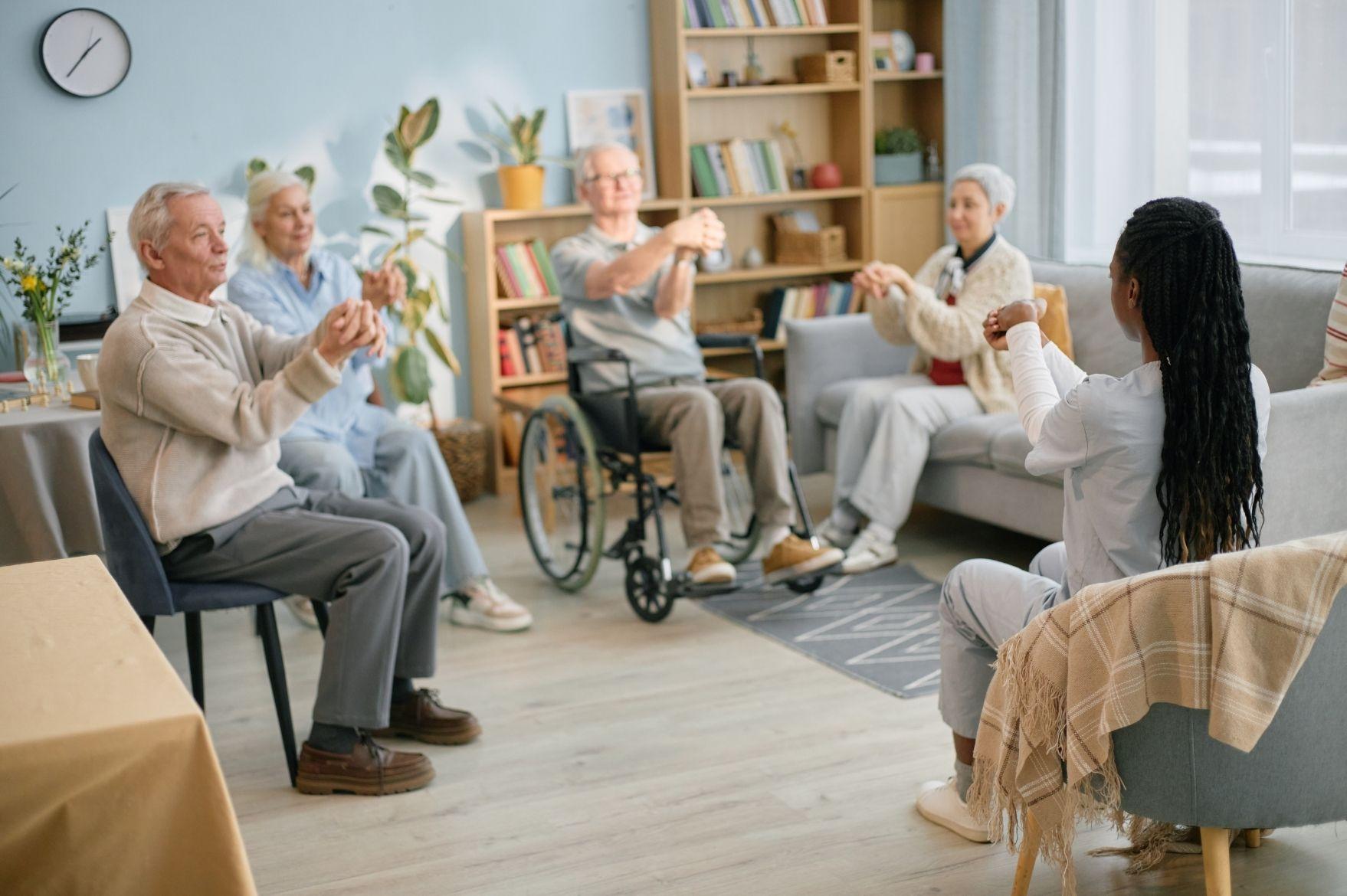
Building social skills and confidence can feel challenging for many NDIS participants. While the desire to meet new people, try new experiences, and grow is strong, doing it alone can sometimes feel overwhelming.
That’s where NDIS group activities make a real difference.
They provide a safe and supportive space where participants can connect with others, learn new skills, and gradually build confidence in social settings. Whether it’s creative programs, sports, life skills sessions, or community outings, group activities offer valuable opportunities to grow while enjoying shared experiences.
At South West Care, we focus on creating engaging group programs that help participants feel included, supported, and empowered.
What Are NDIS Group Activities?
NDIS group activities are structured programs where participants come together to take part in shared activities with the support of trained staff.
These programs are designed to:
- Encourage social interaction
- Build confidence
- Develop practical life skills
- Promote community participation
Instead of navigating things alone, you learn and grow alongside others with similar interests and goals.
Types of NDIS Group Activities
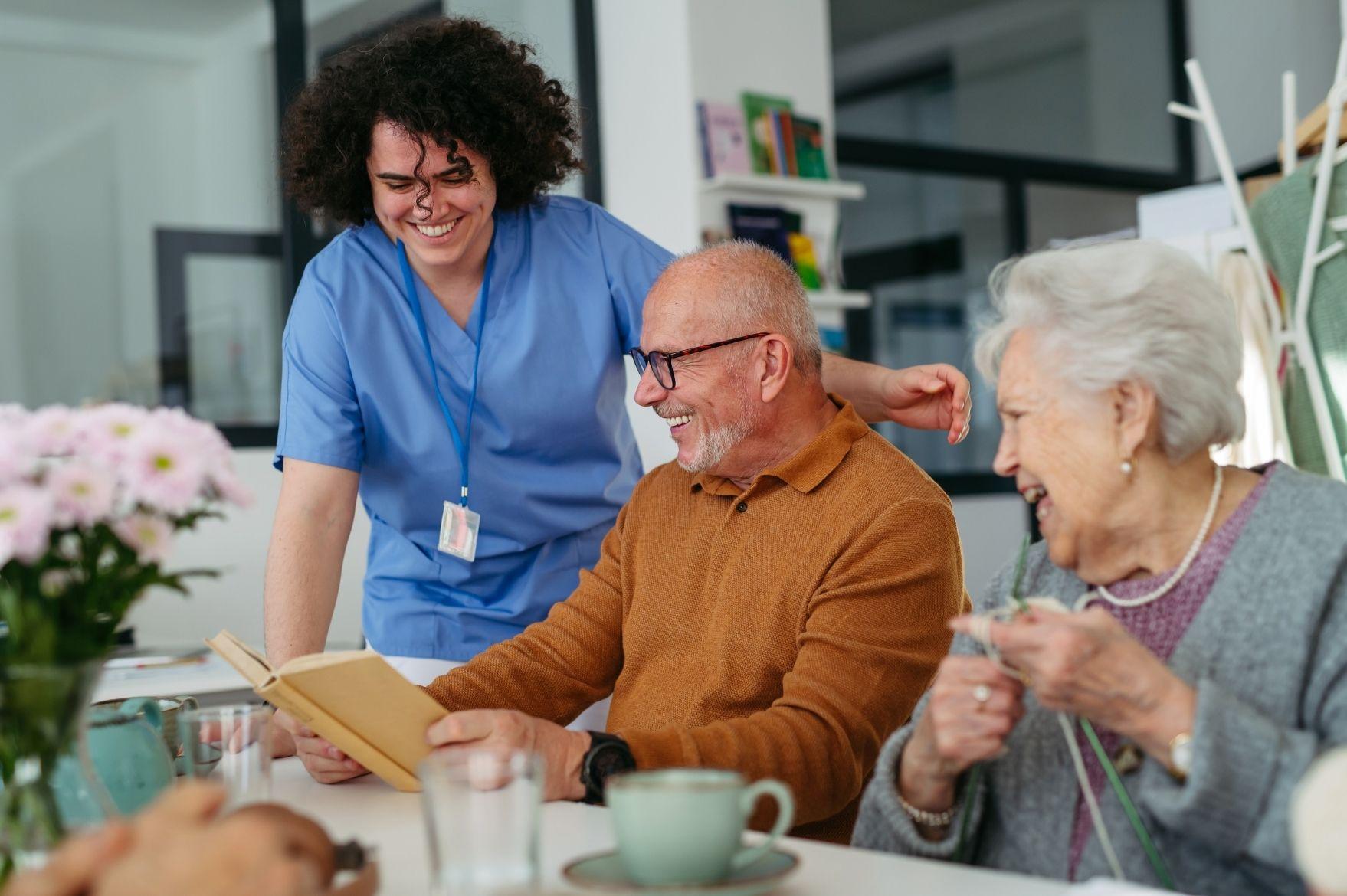
NDIS group programs can be tailored to suit different interests and abilities. Common activities include:
Creative Programs
Art, music, and craft sessions that encourage self-expression and social interaction.
Life Skills Training
Cooking, budgeting, and daily living skills that support independence.
Sports & Recreation
Team sports, fitness sessions, and games that promote teamwork and well-being.
Community Participation
Outings, events, and volunteering opportunities that build real-world confidence.
Key Benefits of NDIS Group Activities
1. Stronger Social Skills
Regular interaction helps you improve communication, teamwork, and relationship-building skills.
2. Increased Confidence
Trying new activities in a group setting helps you feel more comfortable and confident over time.
3. Greater Independence
Learning practical skills in a supportive environment helps you manage daily life more effectively.
4. Sense of Belonging
Being part of a group reduces isolation and helps you build meaningful friendships.
5. Better Mental Well-Being
Social engagement can reduce stress, improve mood, and support emotional health.
6. Progress Towards NDIS Goals
Group activities provide real-life opportunities to achieve your personal development and community participation goals.

Final Thoughts
NDIS group activities are more than just social programs—they are a pathway to confidence, independence, and connection.
At South West Care, we create inclusive group environments where participants can:
- Build social skills
- Gain confidence
- Learn valuable life skills
- Form lasting friendships
Every small step in a group setting helps you grow into a more confident and independent version of yourself.


Comments
Post a Comment